
What Is Hydroplaning?
Hydroplaning (also known as aquaplaning) is one of the most dangerous experiences a driver can face on wet roads. This occurrence happens when your vehicle loses traction and skims across the surface of the water, making it nearly impossible to control the car. For many drivers, especially those new to driving, the sensation can be both frightening and disorienting. In this article, we’ll break down exactly what hydroplaning is, what causes it, and how you can avoid it.

What is Hydroplaning?
Hydroplaning occurs when a layer of water builds up between your car’s tyres and the road surface. Instead of the tyres gripping the road, the water lifts the car, reducing contact between the tyres and the ground. This makes steering, braking, and overall control difficult. The result? Your car may glide uncontrollably across the road, which can lead to accidents.
The physics behind this is simple: when your tyres can't displace the water quickly enough, they lose contact with the road, causing the vehicle to "float" on the water. This is especially likely when driving at higher speeds or if your tyres are worn out, reducing their ability to channel water away.
Causes of Hydroplaning
There are several factors that can increase the risk of hydroplaning:
- Speed: Driving too fast in wet conditions is a primary cause of hydroplaning. The faster you're going, the less time your tyres have to clear the water.
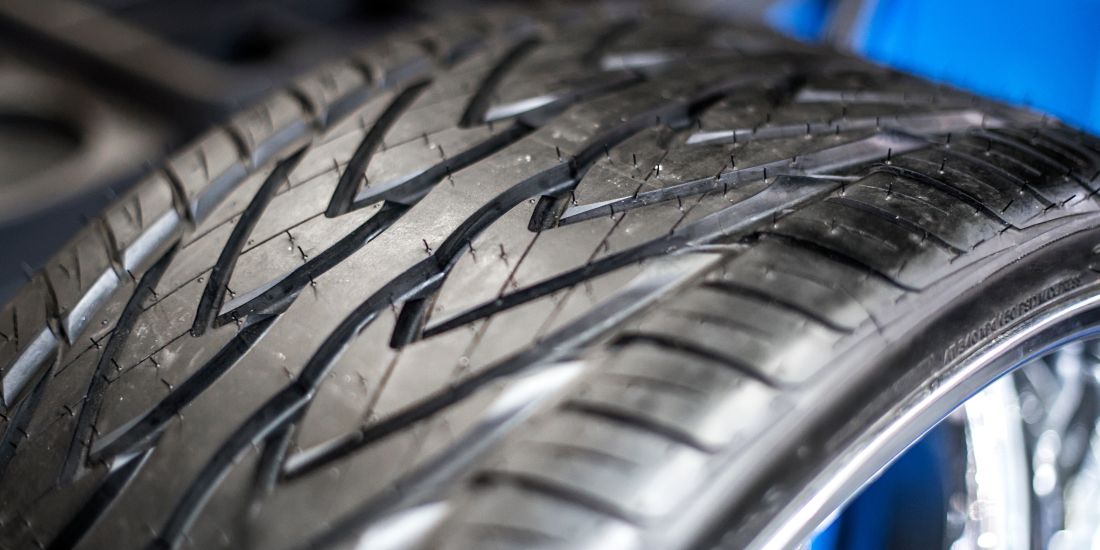
- Tyre Condition: Worn-out tyres have reduced tread, which limits their ability to move water out from underneath the tyre. Well-maintained tyres with proper tread depth help reduce the risk of hydroplaning.
- Water Depth: The more water on the road, the greater the chance your car will hydroplane. Even a thin layer of water can be enough if other factors (like speed) come into play.
- Tyre Pressure: Under-inflated tyres can also increase the risk, as they don’t have the proper shape to cut through water effectively.
- Road Conditions: Poorly maintained roads, with their uneven surfaces, can accumulate water in ways that make hydroplaning more likely.

Signs of Hydroplaning
Recognising when your car is hydroplaning is crucial. The sensation often feels like your car is suddenly "floating" or gliding. You might notice that your steering becomes unresponsive, and the back end of your car may feel like it's fishtailing. If you try to brake, you may find the brakes less effective, further adding to the sensation of loss of control.
How to Avoid Hydroplaning
Here are some simple tips on how to avoid hydroplaning:
1. Slow down in wet conditions: Reducing your speed significantly in the rain is the easiest way to avoid hydroplaning.
2. Maintain your tyres: Check your tyres regularly for proper inflation and tread depth. Good tyres are your first line of defence against hydroplaning.
3. Avoid puddles: If you can, steer around large puddles or standing water on the road.
4. Don't use cruise control in the rain: This reduces your ability to adjust speed quickly if you begin to hydroplane.
5. Drive in the tracks of the car ahead: The vehicle in front of you will clear some of the water, giving your tyres a better chance of gripping the road.
What to Do If Your Car Hydroplanes
If you feel your car hydroplane, don’t panic. Follow these steps:
1. Ease off the accelerator: Don’t slam on the brakes or make any sharp turns. Instead, gently let your foot off the gas.
2. Steer straight: Keep the steering wheel straight until your tyres regain traction. Avoid overcorrecting, as this can cause you to skid.
3. Avoid sudden braking: If you need to brake, do so gently by tapping the brakes.
Difference Between Hydroplaning and Skidding
Hydroplaning occurs when your tyres lose contact with the road due to water, while skidding happens when your tyres lose traction due to factors like ice or sharp braking. Both can cause a loss of control, but the conditions that trigger them are different.

Conclusion
Hydroplaning can be a scary experience, but understanding what it is and how to avoid it can keep you safe on the road. Regular tyre maintenance, driving cautiously in wet weather, and knowing what to do if your car hydroplanes are key steps to staying in control.
For more driving tips and advice, or to check out a range of well-maintained vehicles, visit Essex Car Company today. Stay safe and keep your tyres on the road, no matter the weather!